
10 Random Nutrition Thoughts
1.) Going low calorie for a controlled period of time will not wreck your metabolism. Chronic low calorie dieting, just like ch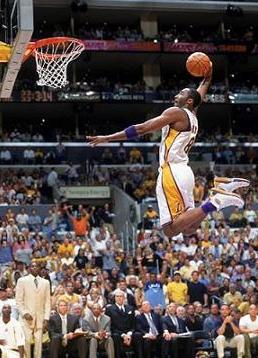 ronic overfeeding, can have some negative consequences. Lesson being – don’t abuse either.
2.) It’s amusing how scared people are of lower calories, yet nobody seems too afraid of constantly being high in calories which results in their current level of fatness. Do you know how many emails have started with, “I tried the low calorie thing, it doesn’t work and this person on Instagram is leaner than me and has 600g of carbohydrates a day?” Guess what? Kobe Bryant jumps higher than me regardless of what I do, that’s life.
3.) If you have a good deal of fat to lose, understand and accept that lowering calories is going to be a part of the process. Nobody said it would be fun, easy or comfortable. How you achieve your caloric deficit is up to you. Whether it’s a constant moderately low amount of calories or follows an ebb and flow sort of approach that I use. From my experience working with others and reading fairly deep into physiology, the human body works best following a Pendulum or “Wave” type of approach. We over-respond to novelty and under-respond to monotony.
4.) Different macronutrients (protein/fat/carbohydrate) produce their own unique hormonal reactions. Your amount of fat mass and lean body mass will affect the signaling of these hormones as well as how you respond to the macronutrients themselves. Someone with higher levels of body fat is usually going to require some serious carbohydrate or caloric restriction at first to break the cycle they have initiated and swing the pendulum the other direction. This initial phase is difficult and most won’t make it past 1-2 weeks.
5.) Because of this, you CANNOT try to compare your diet to someone else’s. This will do nothing but frustrate you. I’ve said it many times in the past; treat the individual as an individual. Every single person is unique in the way they respond to stimuli. It’s important to find what YOU need to achieve YOUR best body.
6.) You want to create an environment where your body is willing to part with fat for energy yet views retaining muscle as important. This requires a certain level of metabolic flexibility – a certain level of insulin sensitivity– a low(er) amount of body fat – higher(er) amount of muscle mass – and resistance training. As an example, someone with poor metabolic flexibility usually has poor glycemic control. This makes fasting more difficult as hunger is ramped up more than usual and their ability to utilize fat as fuel is impaired. You can improve this…
7.) So, you need fasting periods where fat is actually being used as the energy source. You need weight lifting sessions where strength is not impaired and volume is sufficient. This leaves us with a relatively simple template to follow ———–>
8.) Eat, Eat, Eat, Train, Eat – Moderate/High calories – higher carb/higher protein/lower fat – workouts MUST stay productive for muscle to be retained.
9.) Fast, Cardio, Fast, Eat(or fast more) – Low calorie/low glycemic index/low-moderate fat/low-moderate protein – Since you are less active this day, you will require less energy. The deeper you can dig your deficit on this day, the more you are allowed on your training day.
10.) Walk around looking awesome and thank me later.
Oh my god, but Fred, that fasting day looks tough. Won’t not eating that much shrink my muscles, kill my metabolism and make me puny and weak? I want you to take a moment to think about this. Let’s take it back for a minute. Do you remember Roman Gladiators? They’re pretty cool, right?

I mean, we used to watch them fight people and wild animals to the death. Some might say they were in pretty good shape and relatively strong. I think we can all agree that they make your average person today look rather pathetic. Do you think they were having 5 perfectly weighed pre-workout meals, a pre-workout drink, their intra-workout drink, their tight compression pants and then an expensive post-workout shake to make sure they don’t “lose muscle?” Exactly, now shut up.
Your body will keep what it needs. We adapt and survive. If you are constantly stressing your muscles to the point where your body deems keeping them as a necessity, you will be ok. Stop lifting weights and what happens? You lose muscle. Stop studying a foreign language and what happens? You forget it. Stop overeating and what happens? You lose weight. It’s pretty simple.
If a couple of low calorie days (on days you don’t even train with weights) effects your strength, were you really that strong…?

Leave a Reply