

You start your new diet and things seem to be going smoothly. Energy levels are steady and you’re excited to see where this can take you. The first week or two almost always results in noticeable improvements as you begin dropping a couple pounds, leaning up and heading in the right direction.
The instant gratification temporarily masks the effort and hard work. If you made clear progress every single week it would be much easier to stay motivated. But progress isn’t linear, so suck it up and get over it.
At some point you hit a wall and your body will fight against you. Pretty soon progress completely halts, energy levels nosedive and psychologically; you’re drained. Before you throw in the towel, give these battled tested diet strategies a try.
Why Weight Loss Stalls
Have you ever wondered why weight loss just suddenly stops? Nothing changed. You’re doing the same routine, so what happened? It’s simple, your body is amazing at adapting to its circumstances. When you’re trying to lose weight you want to create a deficit in energy. This means you take in less calories than you expend . In the hierarchy of weight loss, that is rule number one.
“But I saw a meme on facebook that said I need just to eat clean, organic and sip on my 21 day cleanse and calories won’t matter.” When you’re posting these absurd, rarely fact-checked, blanket statements, do you ever stop and think that maybe some shoddy, iphone-crafted photo with misspelled words isn’t exactly evidence?
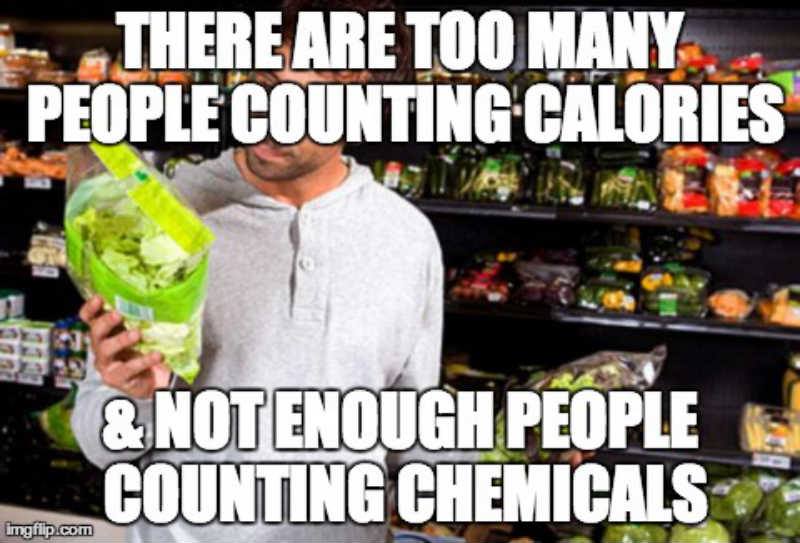
If you still don’t believe calories are important, please watch Naked and Afraid and watch how “fat” everyone gets from less calories and infrequent meals. But hey, they are technically eating Paleo so that’s a win, right? The picture to the right is a perfect example of why I hate the internet. Given how obese our country is, I think I’d rather have people counting calories, no?
Anyway, once you start eating less your body recognizes that there’s less energy. Less energy is not ideal so:
- Your body increases the release of the main hunger hormone called – ghrelin to insist you eat.
- Your body slows down your metabolism to try and conserve energy since you are limiting it.
While this sounds less than ideal, these are basic survival instincts. Thousands of years ago a reduction in food likely meant a possible stretch of famine. Storing and conserving energy became a priority and our brain became high wired to consume more calories than needed at one time. This is what allowed humans to survive. This is also why you can easily eat an entire container of ice cream and still eat more.
The opposite is true if you are eating to gain weight. Initially, the increase in calories will lead to a higher metabolic rate as your body tries to burn off the excess energy. As you continue to overfeed, metabolic rate will normalize and more and more of the left over energy will be stored.
Now that food is every direction you look, you are set up to fail. That doesn’t mean you have to though. During your next diet, when progress stalls, try this:
- Take a break
You can do this several ways. One way to do it is to increase your current weekly caloric intake. 10-15% is usually enough to provide a helpful boost without derailing your current fat loss efforts. Even though you are increasing calories, you will likely find that you might weigh less the next week.
Depending on how long you’ve been dieting, even a week “off” can be of benefit here. If you are feeling run down, weaker and recovery is taking a hit, don’t be afraid to take a few days away from the gym and structured eating. Replace the gym with something low intensive, like a long walk or playing a sport and eat your normal foods to satiety without stressing over the exact numbers.
This is not an excuse to spend the week eating like you are heading to the electric chair. Strive to make the same smart choices you always make but be a little more generous with the serving size and allow yourself an extra indulgence or two.
Your long term progress is built upon your ability to be consistent with both training and diet. Don’t be afraid to venture outside of protein shakes and chicken breasts if you want to maintain sanity and sustainability.
- Use a “Refeed”

What is a refeed? Put simply, a refeed is a high carbohydrate/low fat day aimed to help “wake” the metabolism back up during a calorie or carb restricted diet. As you lose weight, the hormone leptin (which tells your brain when it’s full) will decrease.
That, coupled with increased hunger hormones are why you never feel full or satisfied when cutting calories. Not only that, but lowered leptin will negatively impact the thyroid hormones and overall metabolic rate. How can you combat this?
Carbohydrates do a good job at increasing leptin levels and this is one of the proposed benefits of a refeed day. If for nothing else, a refeed gives you a psychological break from the typical low-carb, monotonous diet meal. If you are a lean enough, your muscles will feel “full” after the refeed and you will look more vascular. Your workouts the next few days will likely be productive and you should notice improved pumps.
To set your refeed amount increase your total carbohydrate amount by 50-100%. The amount will vary depending on the person and their individual tolerance to carbohydrates. Protein can be lowered as carbohydrates are protein sparing and fat should be kept low. All carbohydrate sources can be used as long as they are low-fat. So set your carbohydrate limit, enjoy some pancakes and syrup and get back to smashing weights!
- Change Your Diet
As I stated earlier, the body is adaptive and responsive to its current situation. Because of this, introducing novel stimuli often results in a positive adaptation. I view dieting and training in a similar fashion. I believe they should play off of each other and that they should both be done in specific blocks aimed at improving specific goals.
For example, if you are bulking, a 4 week “diet” phase/block thrown into your yearlong binge-fest, can be very beneficial in keeping body fat at bay. The more body fat you gain, the worse your overall nutrient repartitioning. Estrogen levels will rise alongside body fat and testosterone will lower, this is a muscle building plans worst nightmare.
Spending periods of time in a caloric deficit with reduced carbohydrate intake can help reverse the trend and improve insulin sensitivity. Four weeks is a short period of time so you can cut calories pretty drastically without having to worry about long-term metabolic effects.
- Increase your “work”

Depending on the job you have, you likely spend the majority of your day sitting. This can be an issue when you are trying to lose fat and adjust calories accordingly. Sitting all day is metabolic purgatory. Without energy being burned, there isn’t much of a demand for energy to be supplied. The flux between energy input and energy output is an important factor.
While three 45-60 minute weight training sessions is certainly sufficient, if you’re “stuck,” you can add more overall volume. That could be additional sets, more sessions, more cardio or just more activity in general. You have to dig your caloric deficit somehow and cutting calories isn’t always the only answer.
With fat loss clients I will often program in an extra session focusing on circuits, complexes and overall work capacity. I will provide an example below that can be used to add more volume and doesn’t require a lot of equipment.
Here’s an example:
Circuit (30 sec rest between exercises, 2-3 times)
Body weight squat x 20
Push up x 15
Reverse lunge x 10/10
Trx row x 15
Hip thrust off bench single leg x 10/10
Band face pull x 20
Band push down x 15
Side plank – 30 seconds each
Closing Thoughts
It’s important to remember that training and physique development are a long-term process, there are no secrets or short cuts. Progress will never be linear so expect plenty of ups and downs. However, if you hit a wall and can’t seem to break past it, it’s time to shake things up a bit. Use these tips to make sure you are always headed in the right direction.

Leave a Reply