

Comparing Carbohydrate Sources
It seems like no matter how much time passes or research amasses, carbohydrates stay at the forefront of the diet battleground. The average person still falsely accuses carbohydrates of single-handedly “making them fat”, while the over-indulgence of carbohydrates in the American diet is a real problem. Let’s try to meet in the middle.
If you want additional information on carbohydrates in the context of your diet, read – “Is Low-Carb Stupid”
As it stands, I am sick of the extremist dogma and religious following that surround recent training and dieting methods: Keto, Paleo, IIFYM, etc. I’m an equal opportunity hater, so I’m not singling any of them out. They are all fads.
Find what you like, use it and then shut up. If someone wants to know what diet you follow, they’ll ask. I paint a picture, give you some information, and then you are free to decide how to interpret it. I am not here to persuade you to do anything, I don’t give a shit what you do. 
Comparing Carbs
Carbohydrates are a tricky subject. There’s glycemic index, glycemic load, effect on insulin, satiety, leptin, and so on and so forth. There are a barrage of books on the topic, like Wheat Belly or Grain Brain, so what do you believe? My best advice is to stay as far away as you can from people with radical views. These people often have a dog in the race. What I want to do is make you aware of some of these terms, their importance, and what some research shows.
I don’t believe in labeling any food as good or bad. I get it, things like trans fats really should be avoided. For the most part, though, food is food. It provides energy to the body and it is made of different macro and micro nutrients. However, these different macronutrients leave their own hormonal imprint on the body. IIFYM and the like seem to ignore this.
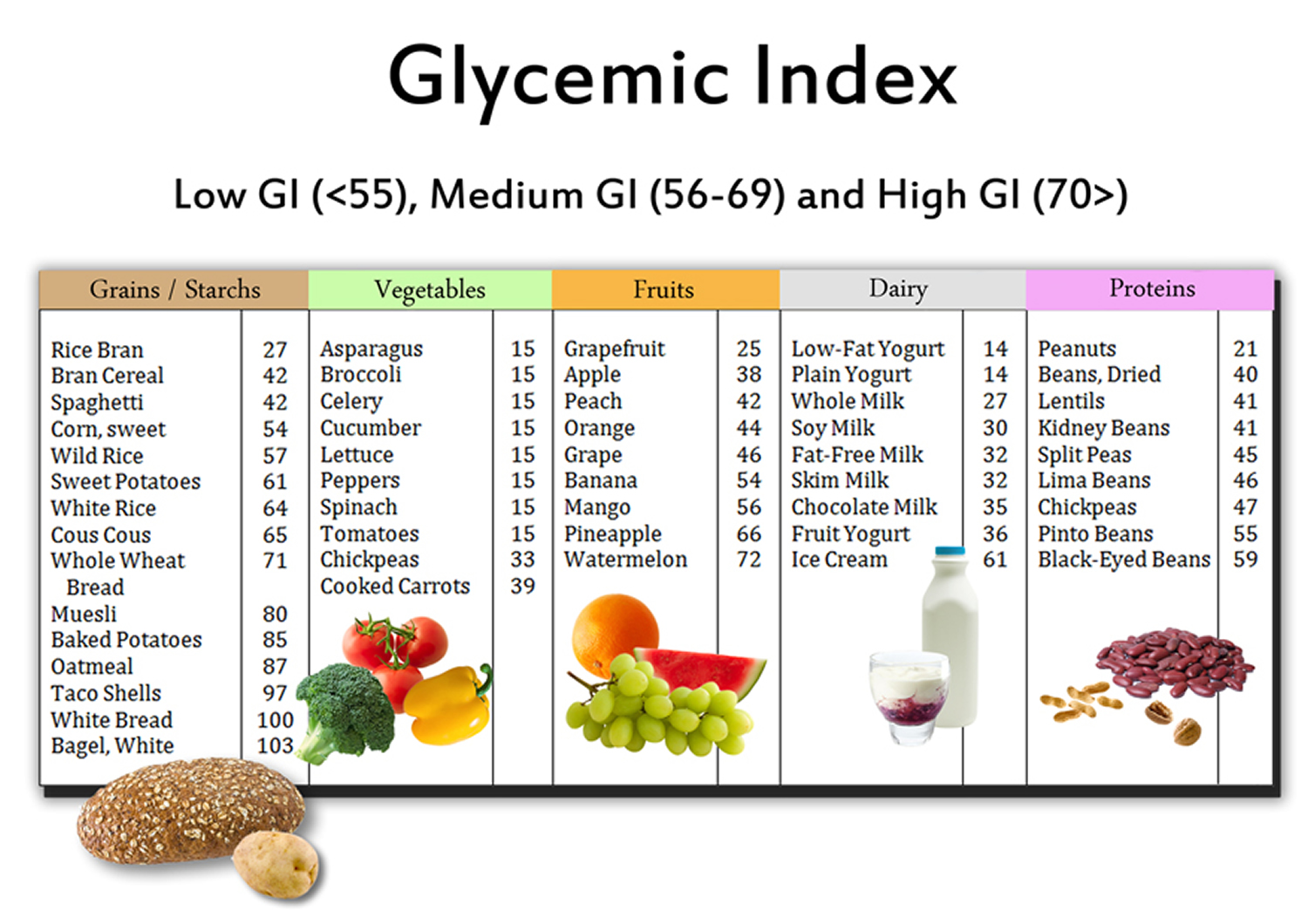
Glycemic Index
In simple terms, the glycemic index details a foods ability to increase blood glucose or blood sugar levels in the body. Researchers often measure the blood glucose response to a tested food and compare it to a standard, such as pure glucose or white bread. With a larger glucose response generally comes a larger insulin response — but not always.
These foods are ranked on a 1-100 scale. For example, a white bagel scores a 95 (high-end) on the glycemic index as it quickly increases blood sugar. A carbohydrate with a lower GI score, typically 55 or less, will be digested and absorbed at a slower rate, thus causing a much slower rise in blood sugar. 
Some nutrition “experts” feel that the glycemic index is useless (the quotations imply that I disagree). Their reasoning? The assigned glycemic index ratings are based on that specific item being tested and only that specific item. This does complicate things as most people have mixed meals. So while I wouldn’t say GI is useless, it’s fair to say there are definite limitations.
If you have that white bagel you are likely adding other variables; eggs, bacon, cream cheese, butter etc. Protein, fiber, and fat can all have an effect in lowering the glycemic index response. However, there’s more to this.
For example, adding protein to a carbohydrate source for example may lower the GI but can increase the insulin secretion at the same time. While fats may slow or delay gastric emptying in turn lowering GI, bakery and snack foods often have the highest glucose and insulin response even though they are high fat [1].
Your individual response is unique to you. You and I could eat the same food and have a completely different response. If you are insulin sensitive, you will be able to push your ingested glucose into tissue very quickly and thus blood sugar won’t spike quite as high nor stay elevated as long. However, if you are insulin resistant, these levels can stay elevated for much longer.
Let’s say you eat some cake (I prefer cheesecake), there’s a huge glucose and insulin response to this. There is overshooting of insulin and the large spike then leads to a sharp decline in insulin levels which then results in a rebound insulin spike. No good. When trying to drop body fat you will need periods where insulin is low. If you want to lower body fat and continue to ingest a lot of high GI carbohydrates, let me know how it goes.
Glycemic Load (GL)
The glycemic load takes into consideration the glycemic index of a food and the amount of carbohydrates the food contains. To find this, the GI is multiplied by the amount of carbohydrates and divided by 100 [2]. Again, a high GI doesn’t necessarily equal a high GL. A white potato, for example, has a rather high GI rating (82) yet its glycemic load is a 21. The glycemic load seems to have become the go to measurement these days. It certainly gives you a more in depth look than the GI alone.
When comparing Glycemic Load – under 10 is low, 10-20 is medium, and 20+ is considered high.
Insulin Index
The insulin index, as I’m sure you guessed by now, measures the insulin response in the body to a specific food. The glycemic index and insulin index tend to be correlated. Most high GI foods will have a high insulin index but this isn’t always the case. For example, eggs contain no carbohydrates and a GI of zero yet lead to rises in insulin. This is how you know devout ketogenic warriors have no clue as they believe insulin makes you fat yet plenty of protein and fats have high insulin responses [1].
My Opinion
While you can find flaws in the GI, GL and Insulin Index, you should still be able to extrapolate some practical knowledge from all three. For example, I don’t agree that GI is useless because it’s tested with no other nutrients. If you have a high GI meal with fat and you have a low GI meal with fat, do you really believe the response will be the same? I assure you it will not. One will still illicit more insulin being released. While this is fine in moderation, the prevalence of diabetes is showing that our pancreas can only tolerate so much.
In a study by the American Journal of Clinical Nutrition testing subject’s responses to certain foods found that “there was between-subject variation in the glucose and insulin responses to the same foods.” [1] They also found that there were “large differences in mean glycemic and insulin responses to the foods, both within and between food groups,” [1] This is more reason to believe that things like “fat lowers GI, protein controls GI, etc.,” are useful but still need to be applied to the person, their metabolism and their insulin sensitivity.
Putting it all together
If you’re trying to lose weight or implement a more nutritious, well-balanced diet, I would suggest you get 70%+ of your carbohydrates from natural whole food sources. Potato, Sweet Potato, Yams, Beans, Lentils, Rice, Vegetables, Fruit. You can also add things like Ezekiel bread, oatmeal, and whole grain options for diversity.
Often times, low GI foods have more fiber, greater impact on satiety, more nutrients, and tend to be whole, minimally processed foods. Some studies show that a lower GI diet may help with cholesterol and in lowering inflammation levels in the body [4][5]. I do believe that the majority of your diet should be made from those types of foods. Of course, there is room to sneak your favorite foods in as well. If you are going to have some high GI carbohydrates, I believe they are best served in the peri-workout window. Some believe post-workout is the best time for this and I tend to believe pre-workout is superior. Use whichever one you prefer. 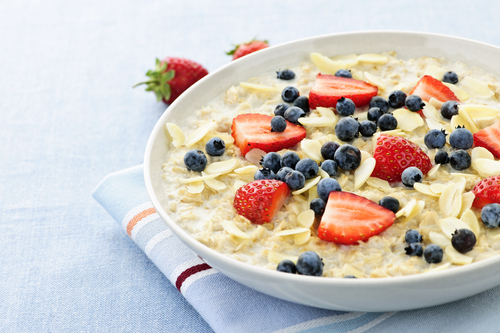
Those who disagree with GI’s importance will point to studies where weight loss between high GI and low GI diets were relatively similar. However, these studies still put all of these people in a caloric deficit, which most of us are intelligent enough to recognize as needed for weight loss. These people are often untrained, overweight, do not exercise, and are not worried about maximum muscle with minimum fat. They also do not show the long term effects of these diets (10, 20, 30 years). As you approach your genetic limit, the little things start to become more important.
References
- An insulin index of foods: the insulin demand generated by 1000-kJ portions of common foods http://ajcn.nutrition.org/content/66/5/1264.full.pdf
- Liu S, Willett WC. Dietary glycemic load and atherothrombotic risk. Curr Atheroscler Rep. 2002;4(6):454-461.
- Effects of Testosterone Administration on Fat Distribution, Insulin Sensitivity, and Atherosclerosis Progression. http://cid.oxfordjournals.org/content/37/Supplement_2/S142.full.pdf
- Association between dietary fiber and serum C-reactive protein. The American Journal of Clinical Nutrition.
- No difference in body weight decrease between a low-glycemic-index and a high-glycemic-index diet but reduced LDL cholesterol after 10-wk ad libitum intake of the low-glycemic-index diet. The American Journal of Clinical Nutrition

Leave a Reply