
How I Program Eccentric Training Pt. 1
This past weekend I hosted the first installment of Common Sense Training at my facility in Buffalo, Ny. I had a chunk of it filmed, so I’ll be releasing some of the footage on here over the next few months.
One of the topics that I didn’t get to discuss in detail was eccentric training. If you want some textbook definitions of what it is and what’s happening at the micro level, go get an exercise science text. This is practical information I use and how I arrive there.
- We know that eccentric contractions (active lengthening against load) produce more force (20-60%), influence muscle-tendon unit adaptations and target Type IIX (fast-twitch) fibers. “Elite athletes have a higher proportion of Type IIX fibers” (Trappe, 2015).
- We also know they’re good at increasing power output, gaining tissue (hypertrophy), increasing fascicle length (which allow muscle to produce higher shortening velocities), and even assisting in flexibility adaptations.
- So, when do I use them? For rehab, performance, and hypertrophy. To be honest, there is a form of eccentric type training in every single block of mine. Why? If it’s not trained – it’s not maintained (Buddy Morris)!
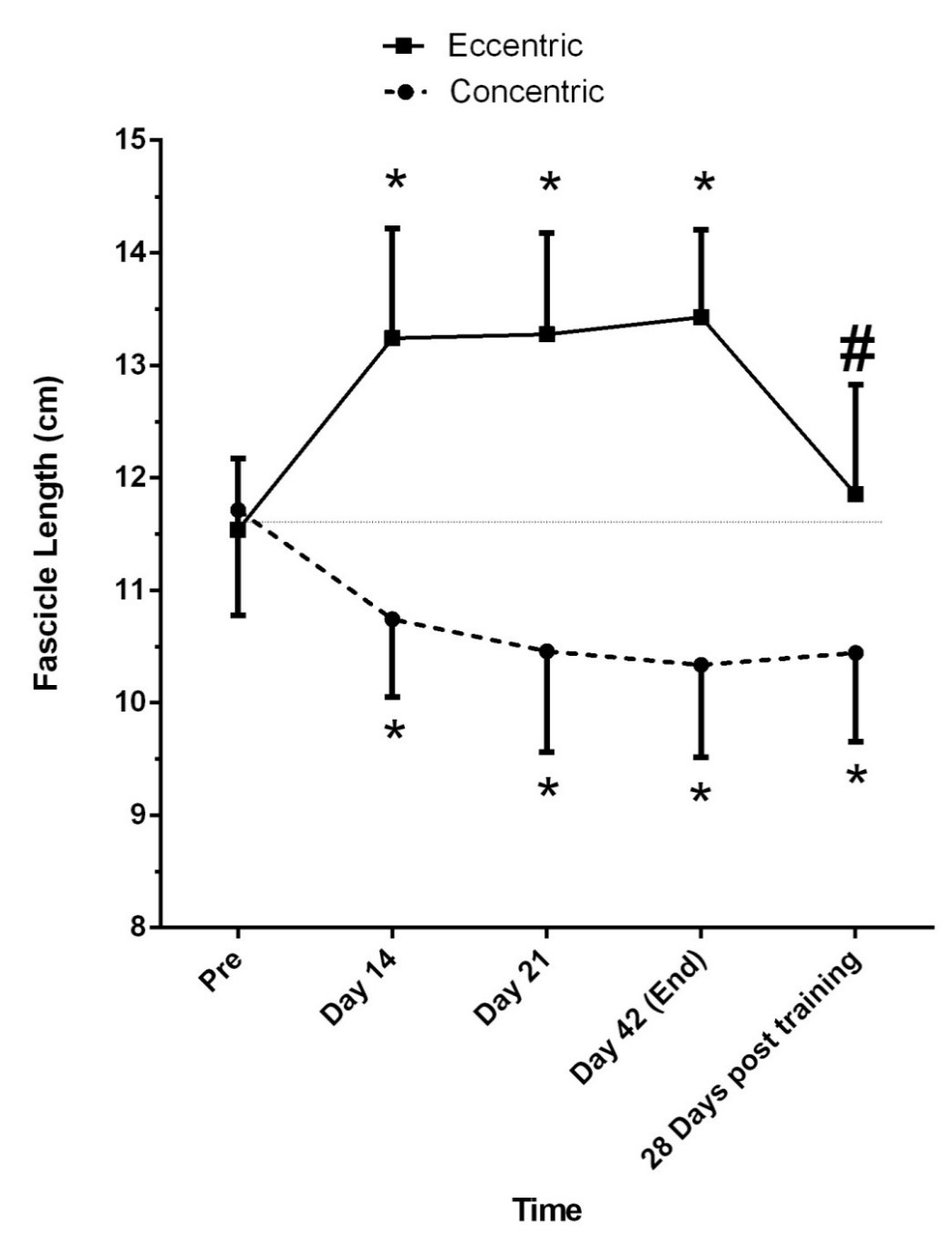
- The picture below shows the fascicle length before and after a block of eccentric training of the hamstrings. After 6 weeks of eccentric training, there was a 14.1% increase in fascicle length. After a 28 day “de-training” period, it decreased by 13.3% (Timmins, 2015). This is important because fascicle length (or lack thereof), seems to be play a potential role in hamstring injuries.
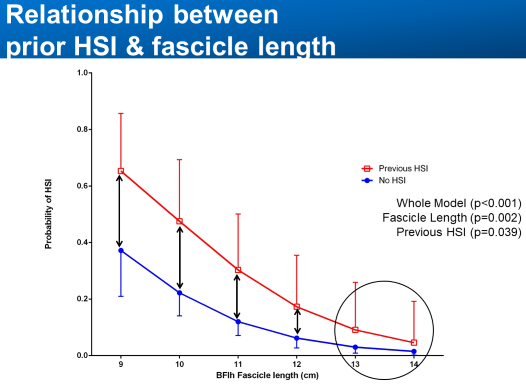
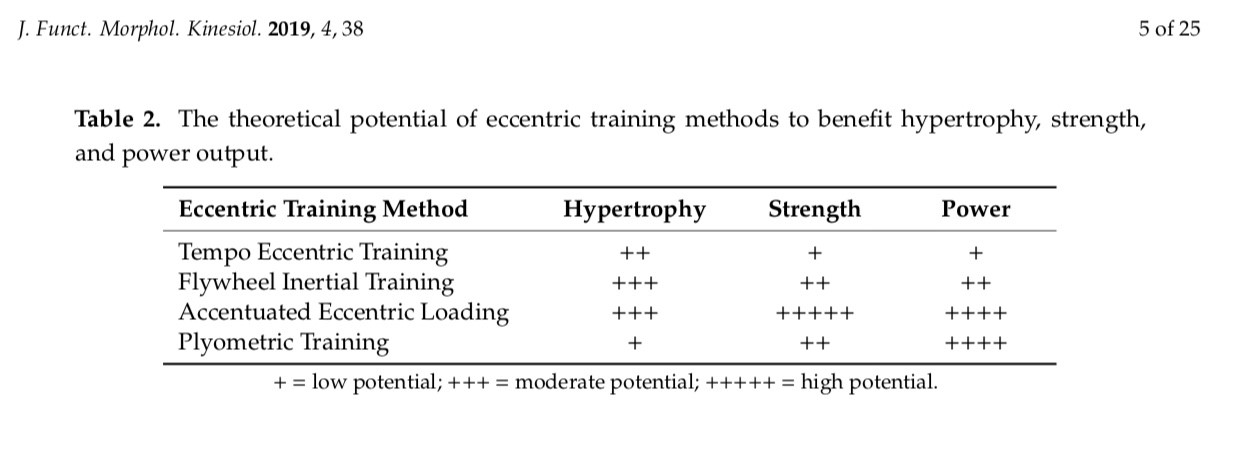
- I frequently program tempo eccentrics, accentuated eccentrics (where eccentric load>concentric), and pliometric training. Supramaximal intensity (>1rm) eccentrics are not something I typically use, though they may offer novel benefits. In my opinion, their slight potential for improvement may not be worth the potential risk. I have never tried the Flywheel trainer, but it doesn’t seem to do anything more than we can accomplish numerous other ways in the gym.
- Pliometrics are ballistic movements that call upon the stretch shortening cycle. This happens when there’s an eccentric muscle action (and MTU lengthening), coupling period, and then a powerful concentric action using stored elastic energy. These are a large part of my program, especially since sprinting is inherently pliometric and we sprint every week.
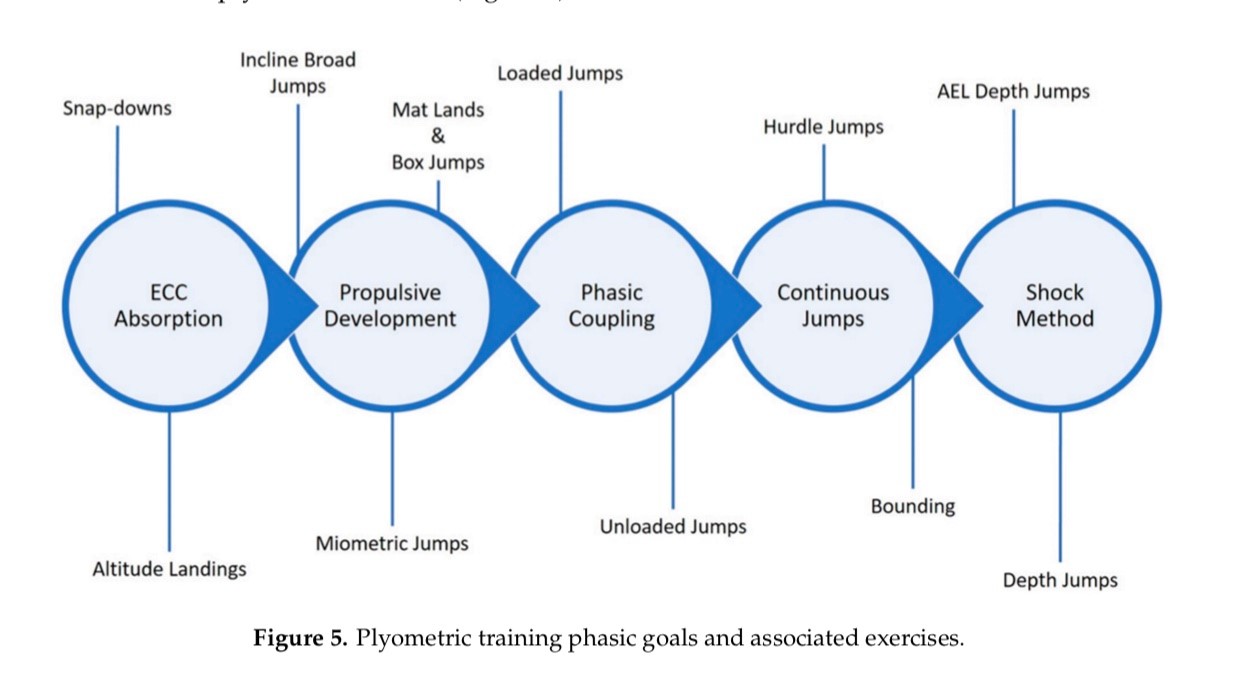
In part 2 I’ll start to breakdown how I program eccentrics and some exercise variations you can use.

Leave a Reply