
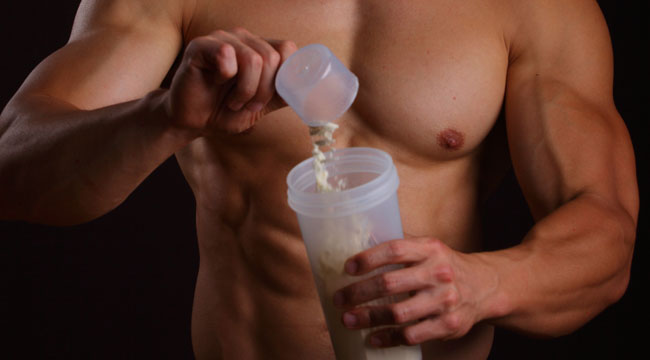
Everything Protein – Practical Info & Protein Powders
Just about anyone who has played a sport, exercised, or attempted (yes, attempted) to diet has been told to increase their protein intake. I’ll spare you the tired, “it keeps you full” and “isn’t easily stored as fat” lines. Instead, I’ll give you some quick info and then some tips on where and how to increase your protein intake. If you don’t care, just skip to the bottom for my protein recommendations.
Debunking Common Protein Myths
- If you do not have kidney disease, excess protein will NOT negatively affect your kidneys [1,2,3].
- Any excess energy can technically be converted into fat, it’s just a more extensive process for protein.
- Just because it helps you gain lean body mass, does NOT mean it makes people bulky or big (I hate this one).
- You CAN digest/process/”use” more than 30g at a time (please stop this bullshit). Muscle Protein Synthesis may max out around 20g, however, the rest of the amino acids are still oxidized and either used or stored in the body. They don’t magically disappear.
What We Know
- To increase lean muscle mass, the creation of new proteins must exceed the breakdown of proteins.
- Eating is anabolic, but only if there is sufficient essential amino acids, 10g needed for muscle protein synthesis (MPS).
- 20g of whey is sufficient to maximally stimulate MPS [4,5].
- Leucine is a very potent anabolic stimulator and a certain amount is required to maximally stimulate MPS, 3-4g [6,7].
- There is a “muscle full” phenomena where once a certain amount of amino acids is reached, the rest are catabolized. However, this muscle-full state is delayed with resistance training.
- Adding other nutrients like carbohydrates will not enhance muscle protein synthesis [8,9]. Read this – Post-Workout Carbohydrates
- Type of exercise (volume, intensity) can influence muscle protein synthesis (Lifting > Cardiovascular training in this regard)
- While we typically say Protein and Carbohydrates are 4kcal per gram, because the Thermic Effect of Food (or the energy required breakdown and digest it) is higher with protein, it is closer to 3.2kcal per gram.
Practical Tips
- I typically recommend that each meal have some sort of protein in order to achieve your daily total.
- Aim for at least 20g per serving, though don’t be afraid to get 50g+
- Protein has shown to be a great choice for breakfast [10].
- Post-workout is essential (there’s no 30 min rush), though pre-workout may be equally as important [11]
- If you’re on a lower carbohydrate diet, you will need increased protein to account for these lost calories.
- If you’re eating a high carbohydrate meal, protein will help control the insulin response and subsequent blood sugar levels (this is good).
- If you’re hungry, protein is typically a satiating, low calorie food to fill in here.
Protein Sources & Powders
For the most part, try to stick with natural, whole food sources (meat, fish, eggs, etc.). These are full of the essential amino acids we need, as well as other important micronutrients. Sometimes you get sick of chicken or don’t have the time or resources to prepare it, that’s where powder comes in. Protein powder is effective, efficient, and helps fill the gaps when trying to eat more total protein. How do you decide which protein powder to use? I’ll help.
To date I’ve used/tried – Whey, Hydrolyzed Whey, Caesin, Micellar Caesin, Beef, Grass Fed Whey, Egg white, Egg, Rice, and Pea protein powders. One isn’t really better than another, they just serve different needs for different people/situations. Hydrolyzed whey is a faster digesting protein than traditional whey, so I will use this post-workout. Caesin is a slower digesting protein often used at night or when baking protein-infused foods. Egg/Beef/Rice etc. are all great non-dairy options for those who don’t tolerate lactose.
I build and purchase my protein from True Nutrition. They have all of the aforementioned types of powder and the best flavors available in my opinion. They also let you build your own blend, mixing multiple sources of protein. I’ve been using their powder and recommending to my clients for 10 years now (and no, I’m not sponsored or getting paid by them).
My favorite flavors in order are – Cafe Mocha, Cinnamon Toast Swirl, Chocolate Thin Mint, Chocolate Peanut Butter Cup, and Chocolate Coconut. Because I order from them non-stop, I have a 5% off code for all my clients (FDPT), which you can now use if you want since this is a private forum.
Some of my favorite blends
- 50% Whey, 50% Beef Protein
- 50% Egg White, 50% Beef Protein
- 33% Egg White, 33% Whey Isolate Microfiltered, 33% Micellar Caesin
If you want pre-made shakes, I wrote an article on those that you can view here – Best Ready to Drink Protein Drinks
References
[1] “A High Protein Diet Has No Harmful Effects: A One-Year Crossover Study in Resistance-Trained Males.” J Nutr Metab. 2016
[2] “Efficacy and consequences of very-high-protein diets for athletes and exercisers.” Proc Nutr Soc. 2011
[3] “The effects of a high protein diet on indices of health and body composition–a crossover trial in resistance-trained men.” J Int Soc Sports Nutr. 2016
[4] “Myofibrillar muscle protein synthesis rates subsequent to a meal in response to increasing doses of whey protein at rest and after resistance exercise.” Am J Clin Nutr.
[5] ” Ingested Protein Dose Response of Muscle and Albumin Protein Synthesis after Resistance Exercise in Young Men.” National Center for Biotechnology Information.
[6] “Amino acid ingestion improves muscle protein synthesis in the young and elderly.” Am J Physiol Endocrinol Metab.
[7] “Post-exercise net protein synthesis in human muscle from orally administered amino acids.” Am J Physiol.
[8] “Muscle protein synthesis in response to nutrition and exercise.” The Journal of Physiology. 2012.
[9] “Regulation of muscle protein synthesis in humans.” Curr Opin Clin Nutr Metab Care.
[10] “Endocrine responses to the oral ingestion of a physiological dose of essential amino acids in humans.” http://www.ncbi.nlm.nih.gov/pubmed/14596675
[11] ““Timing of Amino Acid-carbohydrate Ingestion Alters Anabolic Response of Muscle to Resistance Exercise.” National Center for Biotechnology Information.

Leave a Reply